
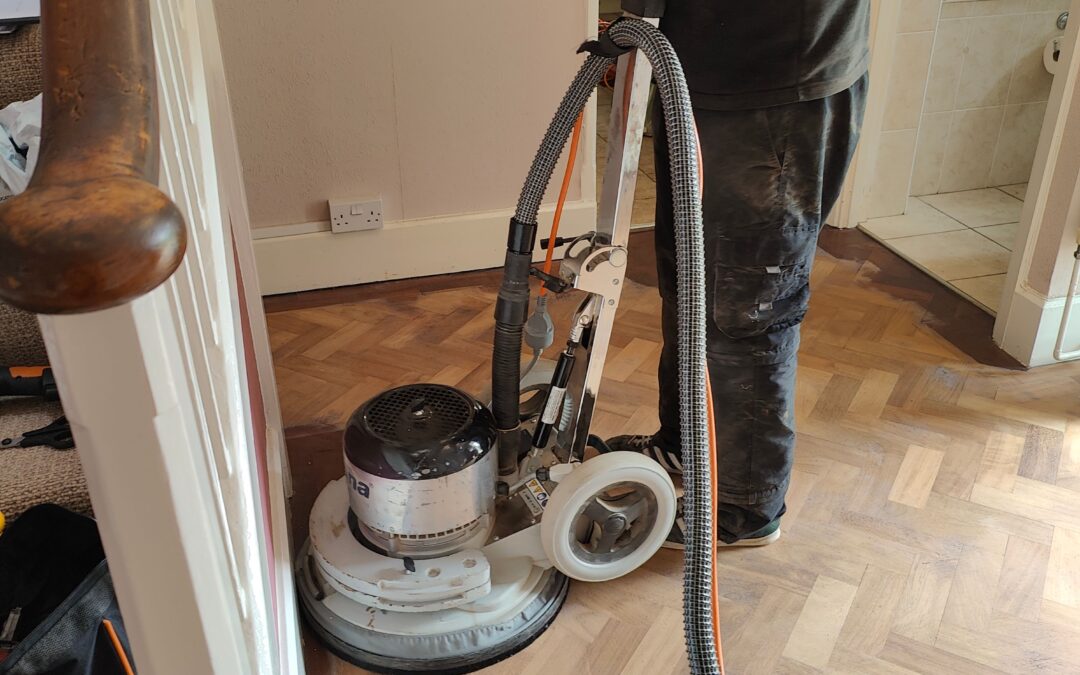
If you would like to restore or give hardwood floors a new lease of life, sanding and finishing are essential steps. At Advantex Floor Cleaning and Restoration of Bristol, UK, we know a thing or two about hardwood floor sanding and our business is dedicated to providing top-notch services that bring your floors back to life. We are here to answer some of the most common questions about hardwood floor sanding and refinishing to give you all the help you need when it comes to sanding your hardwood flooring.
What are hardwood floors?
Hardwood floor boards can be made from solid or engineered wood. Solid hardwood floors, like oak, maple, and cherry, are single wood planks that can be sanded and refinished multiple times, making them long-lasting but can also be sensitive to humidity. Engineered hardwood includes a top layer of wood veneer over layers of plywood or high-density fiberboard. These offer greater stability and resistance to moisture, and they are suitable for a variety of locations.
While hardwood floors may be more expensive than other flooring types, their aesthetic appeal, durability, and ability to enhance property value will usually make them a worthwhile investment. They will, however, require regular maintenance and can be prone to scratches and dents but they are relatively easy to care for. Whether choosing light woods like maple and birch for a modern look or darker options like walnut and mahogany for a classic feel, hardwood floors can add a warm and inviting appeal to any space.
How to Sand Hardwood Floors
Sanding hardwood floors is a process that requires the right tools, technique, and also a bit of patience to achieve the best results. Here’s Advantex of Bristol’s step-by-step guide on how to sand hardwood floors:
- Preparation: Before you begin sanding, remove all furniture, rugs, and decorations from the room. Ensure that the floor is clean by sweeping or vacuuming thoroughly. Cover any vents, doors, or windows to prevent dust from spreading.
- Choosing the Right Equipment: For professional results, use a drum sander for large areas and an edge sander for the corners and edges. Sanding screens and sandpaper with varying grits (from coarse to fine) will be needed to progressively smooth the floor.
- Starting the Sanding Process: Begin with a coarse grit sandpaper (36-40 grit) to remove the old finish and level the floor. Sand in the direction of the wood grain, and ensure that the sander is in motion before it touches the floor to avoid gouges. Move slowly and steadily across the floor.
- Edge Sanding: Once the main area is sanded, use the edge sander to tackle the corners and edges that the drum sander couldn’t reach. Be consistent with the direction and pressure to maintain a uniform surface.
- Progressing to Finer Grits: After the initial sanding, repeat the process with medium-grit sandpaper (60-80 grit),and finally with fine-grit sandpaper (100-120 grit) to smooth out the surface and prepare it for finishing.
- Cleaning Up: After sanding, thoroughly vacuum the floor to remove all dust and debris. Wipe the surface with a damp cloth to ensure it’s clean and ready for staining or finishing.

How Long Does It Take to Sand a Hardwood Floor?
The time it takes to sand a hardwood floor will depend on the size of the room, the condition of the floor, and the type of equipment that you use. On average, a professional can sand an average-sized room (about 20 square meters) in a day. However, for larger spaces or floors with a lot of damage that needs repairing, it could take two to three days. The actual sanding might only take a few hours, but it’s the prep, repairs, edging, and cleanup that are going to add to all add up.
Can You Sand Engineered Hardwood Floors?
Yes, you can sand engineered hardwood floors, but there it’s good to be aware of the limitations. Engineered hardwood is made of a thin veneer of real wood on top of multiple layers of plywood or fiberboard. The thickness of the veneer determines how many times it can be sanded. Typically, engineered hardwood with a wear layer thicker than 2mm can be sanded once or twice. If in doubt consult with a professional floor sanding company like Advantex Floor Cleaning and Restoration before you go ahead, as improper sanding can damage the floor beyond repair making a very expensive mistake.
Can You Paint Hardwood Floors Without Sanding?
It is possible to paint hardwood floors without sanding, but we would not necessarily recommend this. By skipping the sanding process, this means the paint may not bond as well with the wood surface, potentially leading to peeling or chipping over time. However, if the floor is in a good state of repair and you’re looking for a quick refresh, you can use a deglosser or liquid sander to dull the existing finish and improve paint adhesion. After applying the deglosser, clean the floor thoroughly before painting. For a durable finish, consider applying a primer before the paint and sealing the floor with a top coat afterwards.
Can I Sand Hardwood Floors with a Hand Sander?
While it is of course possible to sand hardwood floors with a hand sander, we do not advise this for large areas like a whole room. Hand sanders are better suited for small touch-ups, tight corners, or spots that are difficult to reach with larger equipment. Sanding an entire floor with a hand sander would be incredibly time-consuming and might result in an uneven finish. For a professional and consistent result, it’s best to use proper floor sanding equipment or hire experts like Advantex Floor Cleaning and Restoration to do the job for you!
Can You Refinish Hardwood Floors Without Sanding?
Yes, you can refinish hardwood floors without sanding, and this is a process called “screening and recoating.” Doing this is ideal for floors that are in pretty good nick, without too much scratching or damage. Screening involves using a buffer and a fine abrasive pad to rough up the existing finish, which is going to help the new coat of finish to bond. After screening, a new layer of polyurethane or another finish is applied, restoring the floor’s shine and protecting it from wear. Screening and recoating are less invasive than full sanding and can extend the life of your floor without removing any wood.
What Do You Put on Hardwood Floors After Sanding?
After sanding your hardwood floors, you’ll need to apply a finish to protect the wood and make the most it’s appearance. The most common finishes include:
- Oil-Based Polyurethane: This is a traditional finish and provides a durable, amber-coloured coating that deepens over time. It’s very well resistant to wear and water, making it a popular choice for high-traffic areas. Beware when using oil-based polyurethane – it has a very strong odour! You may want to wear a mask.
- Water-Based Polyurethane: This finish is clear, fast-drying, and less smelly than oil-based polyurethane. It doesn’t go yellow over time, meaning the natural colour of the wood will be preserved.
- Hard Wax Oil: A wax finish penetrates the wood, offering a natural look and feel while providing protection against moisture and wear. It requires more maintenance than polyurethane finishes but is easier to do smaller spot repairs.
- Penetrating Oil Finishes: These finishes soak into the wood, hardening it from within while providing a natural matte look. They are less durable than polyurethane but are favoured for their natural appearance.
- Stains: If you want to change the colour of your hardwood floors, you can apply a wood stain before sealing the floor. Stains come in various shades, allowing you to change the look of your floor to suit your home decor.
- Sealants: Some floors may require an additional sealant to protect against moisture, especially in areas like kitchens and bathrooms. Sealants can be applied before or after staining, depending on the desired effect.
(Please note, the links are for reference only, we do not necessarily recommend or endorse these products or are affiliated with any of the retailers.)
How Much Does It Cost to Sand and Refinish Hardwood Floors?
The cost to sand and refinish hardwood floors will depend on the size of the area and the condition of the floor. Prices for hardwood floor sanding are usually quoted on a cost per square meter.
According to Check-A-Trade, it is estimated that the average cost in the UK is £42 per m² for sanding and refinishing, So for an average-sized room, you can expect to pay between £600 and £1,000. This price typically includes sanding, finishing, and minor repairs. Keep in mind that additional services like staining, repairing extensive damage, or using premium finishes can increase the cost. At Advantex Floor Cleaning and Restoration of Bristol, we always offer competitive pricing and high-quality workmanship to ensure you get the best value for money. Get in touch for a free no obligation quote.
How Many Times Can You Sand Hardwood Floors?
You can usually sand hardwood floors lots of times but this will depend on the thickness of the wood. Most solid hardwood floors can be sanded and refinished up to 10 times during their lifetime, and they should last for 20 to 30 years. Each sanding removes a thin layer of wood, so it’s important to only sand them when they need it. Engineered hardwood boards can typically only be sanded a few times, depending on the wear layer’s thickness. A 2mm wear layer should only be sanded twice. However, a 6mm thick wear layer can be sanded around 5-6 times. Regular maintenance and proper care can extend the time between sanding, preserving the life of your hardwood floors.
Hardwood Floor Sanding in The South West
Sanding and refinishing hardwood floors are essential steps in maintaining the beauty that wooden floors bring. Whether you’re dealing with solid hardwood or engineered floors, understanding the process and knowing what to expect can help you achieve the best results. At Advantex Floor Cleaning and Restoration based in Bristol, UK, we are committed to providing expert floor restoration services that bring out the best in your floors. From initial consultation to the final finish, our team ensures that your floors are treated with care and attention, and we always protect your furniture and clear up any mess. If you have any further questions or are ready to restore your hardwood floors, don’t hesitate to contact us, we would be happy to offer a free, no obligation consultation. We offer dustless floor sanding in Bristol, floor sanding in Taunton, Somerset, Bath, Weston Super Mare, Cheltenham & Gloucester.